A-1 English School Blog
New posts every Saturday
Real English. Real Confidence.
Welcome to the A-1 English School Blog. Every Saturday, I share practical English tips, natural American expressions, pronunciation advice, and strategies to help you communicate more confidently in real-life situations.
As a native American English teacher based in Asahikawa, Hokkaido, I especially focus on the challenges Japanese learners often face when speaking English — including pronunciation, natural phrasing, listening, fluency, and the confidence to speak without constantly translating in your head.
You'll find articles covering English conversation, Natural American English, pronunciation and fluency, Business English, Travel English, and IELTS preparation.
Have an English question?
If there's a question, situation, or English challenge you'd like me to cover, feel free to send me a message. Your questions can help shape future blog posts and lessons.
Learn English You Can Actually Use
My goal is simple: to help you understand how English is actually used and give you the confidence to use it yourself.
If you enjoy the blog and would like personalized help with your English, you can also try a free first lesson and see whether my teaching style is right for you.
No obligation • 30-minute first lesson
— Teacher John
Native American English Teacher | Asahikawa, Hokkaido
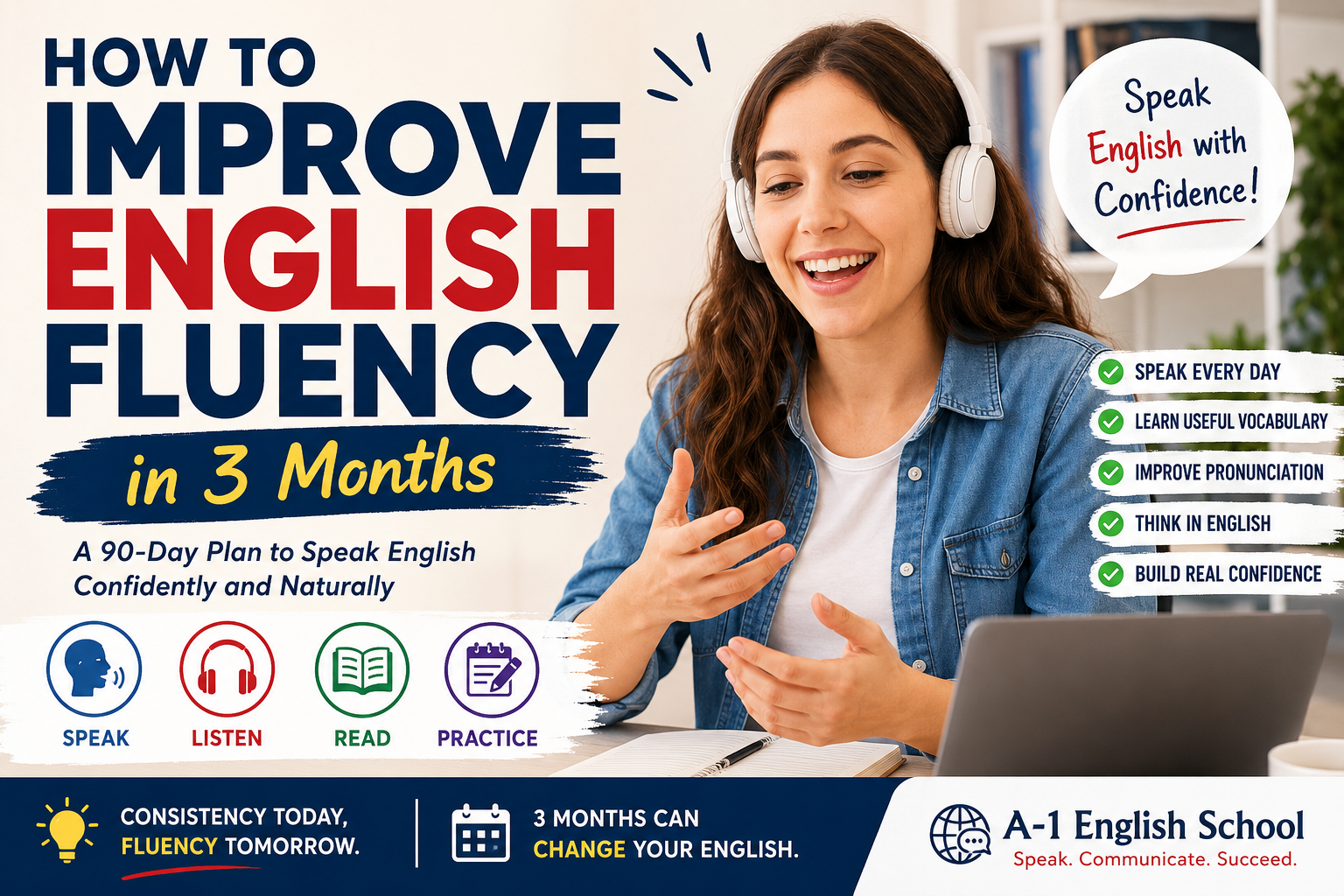
How to Improve English Fluency in 3 Months
Improve your English fluency in just three months with a practical 90-day study plan. Discover daily speaking, listening, reading, and vocabulary strategies that will help you build confidence, communicate more naturally, and achieve your English learning goals faster.
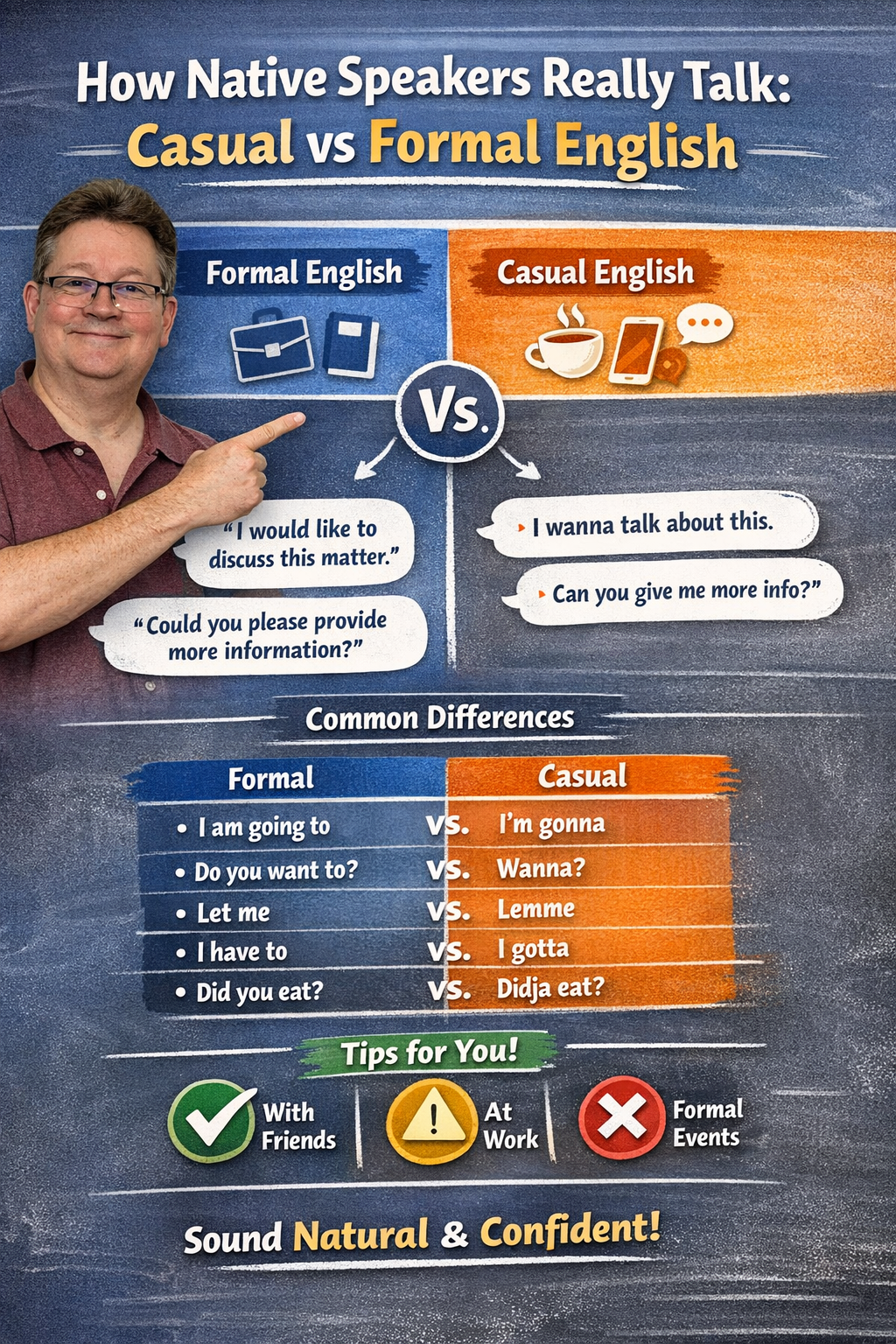
How Native Speakers Really Talk: Casual vs Formal English
Native speakers don’t speak the way textbooks teach English. In this post, learn the key differences between casual and formal English, and how understanding real conversation patterns like “gonna” and “wanna” can quickly improve your listening and speaking skills.
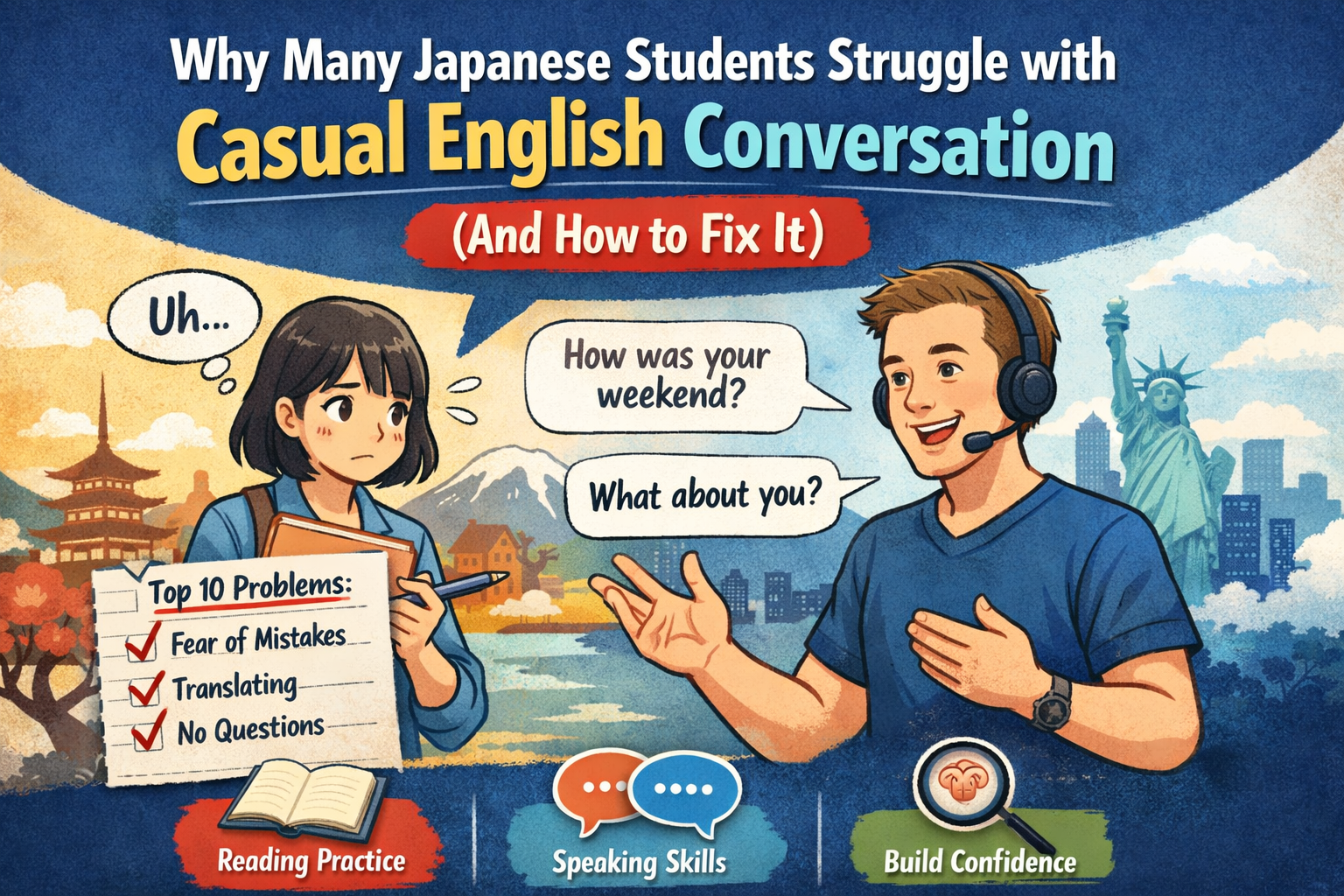
Why Many Japanese Students Struggle with Casual English Conversation (And How to Fix It)
Many Japanese students can understand English—but struggle when it comes to casual conversation. In this article, I break down the 10 most common problems I see in my lessons and show you simple, practical ways to speak more naturally and confidently.
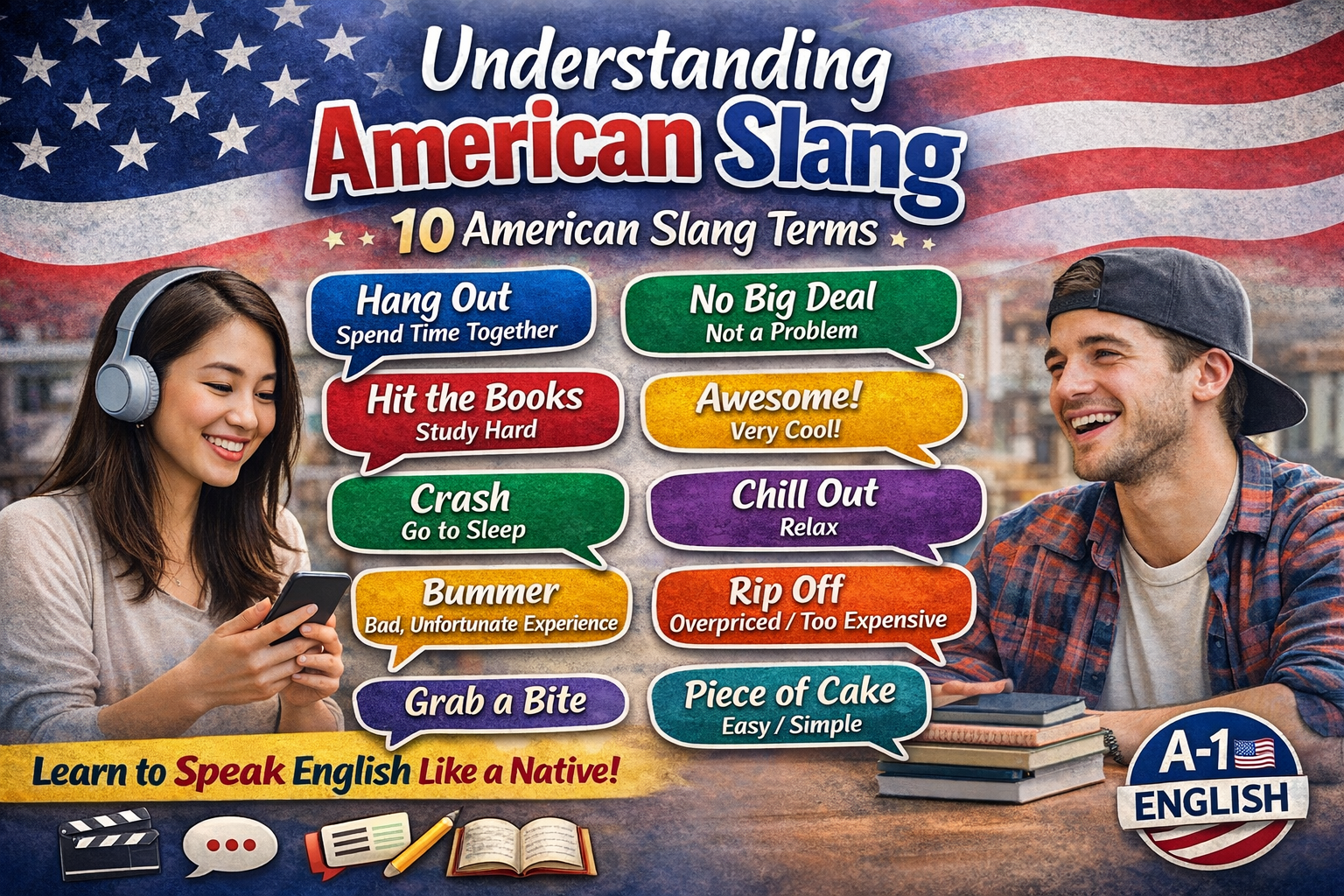
10 American Slang Terms You’ll Hear Every Day 🇺🇸
Learn 10 common American slang terms used in everyday conversation. This A-1 English lesson includes simple explanations, examples, and exercises to help you understand and use natural English with confidence.
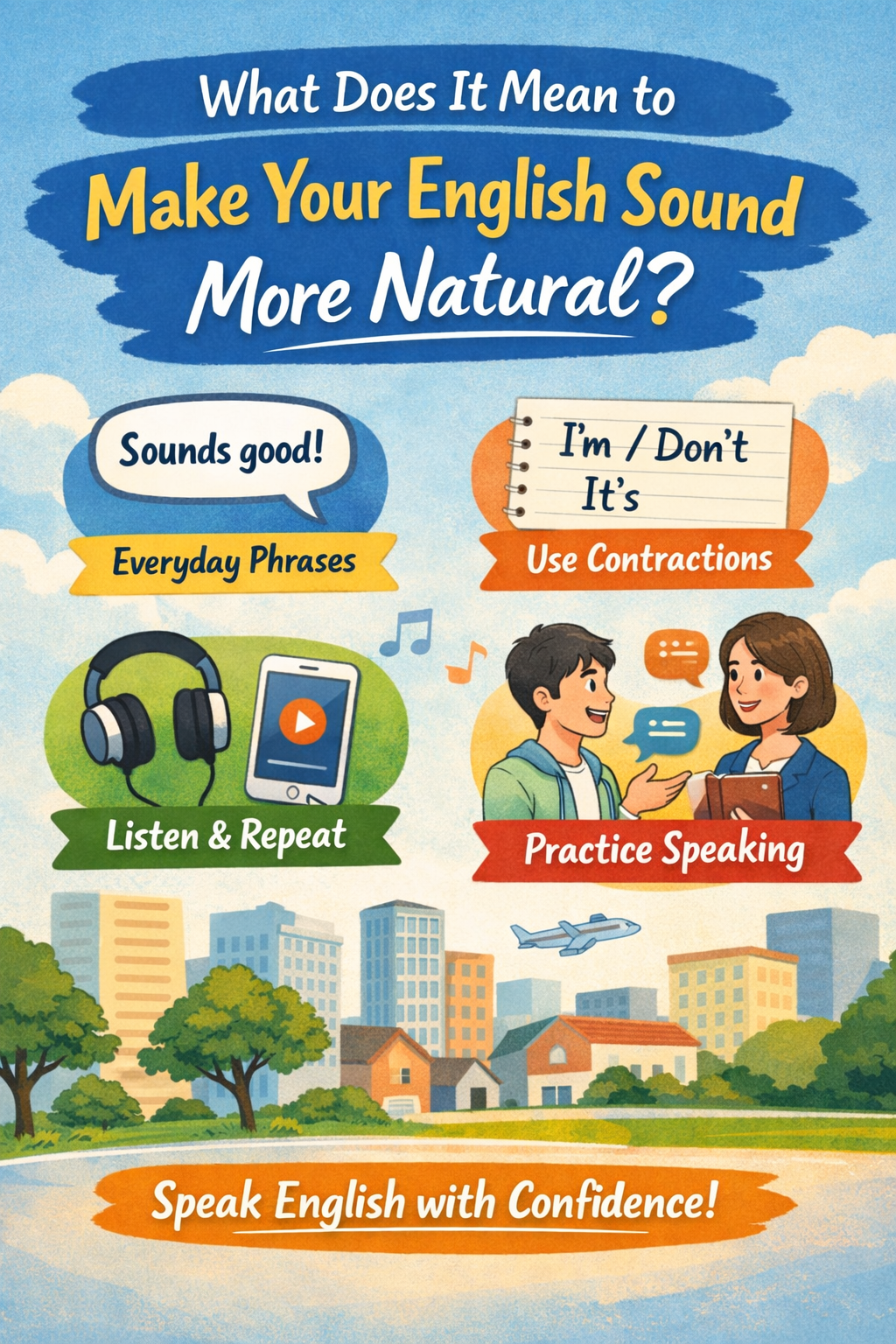
What It Means to Make Your English Sound More Natural?
What does it really mean to make your English sound natural? In this post, learn practical tips and real examples to help you speak more confidently in everyday English conversations.

How to Keep a Conversation Alive in English
💬 Have you ever been in the middle of an English conversation and suddenly didn’t know what to say next? Don’t worry—you’re not alone! Keeping a conversation alive is a skill, and like any skill, it can be practiced. In this post, I’ll share simple techniques you can use right away—like asking follow-up questions, showing interest with active listening, and using natural expressions—to make your conversations flow smoothly and feel more natural.
By the end, you’ll have practical tools to avoid awkward silences and build confidence every time you speak English.