Recharge Your English: Understanding the Word "Recharge"
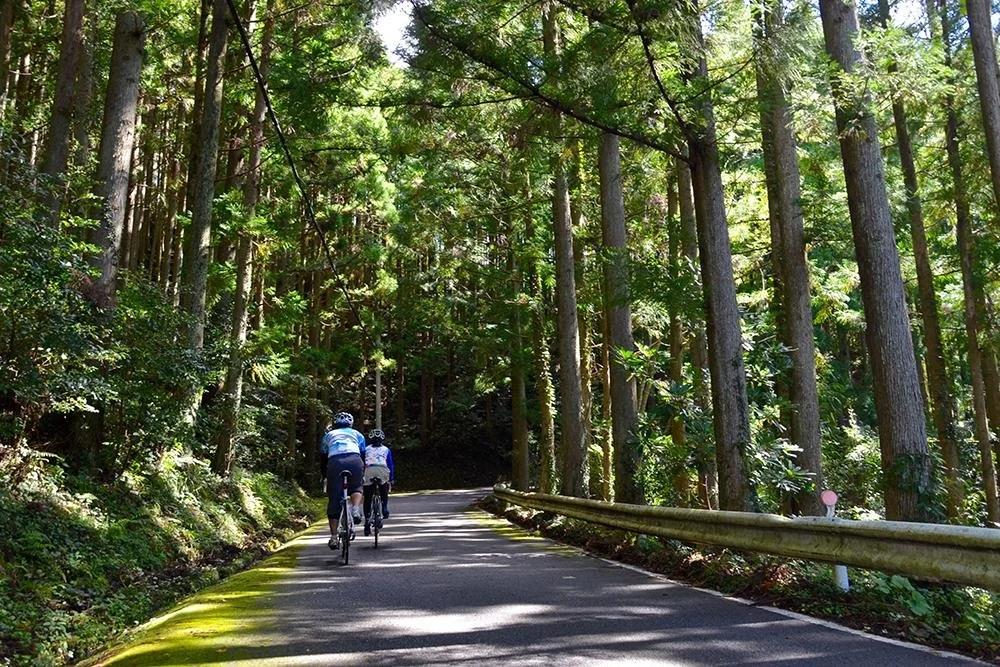
Two cyclists ride along a quiet paved road through a dense forest on a sunny day. Tall trees line both sides of the road, creating a peaceful natural setting with patches of sunlight filtering through the branches. The riders are heading deeper into the forest, surrounded by greenery and a calm atmosphere that suggests relaxation, exercise, and time spent outdoors.
Recharge Your English: Understanding the Word “Recharge”
Today, let’s look at a simple but very useful English word: recharge.
Most English learners know that we recharge our phones, tablets, and other electronic devices. But native English speakers also use recharge when talking about people.
When someone says, “I need to recharge,” they usually mean they need some time to rest, relax, and get their energy back.
For example:
I need to recharge after a busy week.
Reading helps me recharge.
She spent the weekend at the beach to recharge.
Sometimes I recharge by taking a long walk.
You will often hear this expression when people talk about work, studying, family responsibilities, travel, or other situations that require a lot of energy.
Everyone has different ways of recharging. Some people enjoy spending time with friends and family. Others prefer quiet activities such as reading, hiking, cycling, gardening, or simply relaxing at home.
For me, one way I recharge is by riding my bike and exploring the beautiful scenery here in Hokkaido. Fresh air, exercise, and time in nature help me clear my mind and feel refreshed.
Learning words like recharge can help your English sound more natural because this is the kind of everyday expression you are likely to hear in real conversations.
What Does “Recharge” Mean?
When you use recharge to talk about a person, it means to regain your energy after being busy, tired, stressed, or mentally exhausted.
For example:
I need to recharge after a busy week.
I recharge by going for a walk.
She needs some time to recharge.
A quiet weekend helps me recharge.
You can use recharge when talking about physical energy, mental energy, or simply taking time for yourself.
For example:
I need to recharge physically after a long hike.
Reading helps me recharge mentally.
I need some quiet time to recharge.
“Recharge” in Natural American English
One reason recharge is such a useful word is that it can express an idea very naturally and simply.
Instead of saying:
“I need to rest because I am tired from work.”
A native speaker might simply say:
“I need to recharge after work.”
Both sentences are correct, but recharge is a common way to describe taking time to recover your energy and feel ready for what comes next.
This is one example of how everyday American English can be different from the English you may learn from a textbook.
If you'd like to learn more everyday expressions like this, check out my Natural American English lessons.
Common Expressions with “Recharge”
Recharge Your Batteries
Recharge your batteries is a common idiom meaning to regain your energy.
For example:
I need a vacation to recharge my batteries.
A quiet weekend helps me recharge my batteries.
After a busy month at work, she took a few days off to recharge her batteries.
You don't actually need to mention batteries, though. In everyday conversation, people often simply say recharge.
For example:
“I'm going to stay home this weekend and recharge.”
Recharge After...
You can use recharge after something that made you tired or used a lot of your energy.
Examples:
I like to recharge after work by going for a walk.
Students often need to recharge after exams.
I usually recharge after a long day by listening to music.
I need to recharge after traveling.
Recharge Mentally or Physically
You can also describe the type of recovery you need.
Examples:
Reading helps me recharge mentally.
A good night's sleep helps me recharge physically.
Exercise can help you recharge both mentally and physically.
Recharge vs. Relax vs. Rest vs. Unwind
These words are related, but they aren't exactly the same.
Relax means to become less stressed or tense.
I like to relax after work.
Rest means to stop activity and recover from being tired.
I need to rest because I'm tired.
Unwind means to relax after a stressful or busy period.
I like to unwind by watching a movie.
Recharge means to regain your energy and feel ready for what comes next.
I need to recharge before next week.
The meanings overlap, but recharge often has the idea of getting your energy or motivation back so you can return to your normal activities.
Real-Life English Examples
Here are some examples you might hear in everyday conversation:
I need some time to recharge this weekend.
A short vacation helped me recharge.
Everyone needs a chance to recharge now and then.
I spent Sunday recharging before a busy week.
The holidays gave me time to recharge and relax.
Notice that recharge is often used when people talk about balancing work, responsibilities, and personal time.
You might hear someone say:
“I've been really busy lately. I just need some time to recharge.”
This is a very natural way to explain that you need a break.
Student Practice Exercises
Exercise 1: Match the Meaning
What does recharge mean in these sentences?
I need to recharge after working all week.
She recharges by spending time in nature.
He took a short vacation to recharge.
A. To regain energy and feel refreshed
B. To become more tired
C. To finish work quickly
Exercise 2: Complete the Sentences
Fill in the blank with the correct form of recharge.
After studying all day, I need to ______.
I like to ______ by listening to music.
Weekends help me ______ for the next week.
A vacation can help people ______.
Reading helps me ______ after a stressful day.
Exercise 3: Reading Practice
Read the paragraph and answer the questions.
Emma works in a busy office. Every Friday evening, she feels tired after a long week. To recharge, she spends time in nature, reads books, and avoids checking her email. By Sunday evening, she feels refreshed and ready for another week.
Questions
Where does Emma work?
When does she feel tired?
How does she recharge?
What does she avoid doing?
How does she feel on Sunday evening?
Exercise 4: Find the Mistake
Correct the following sentences.
I recharge my body by sleeping early yesterday.
She recharge by listening to music.
We recharges on weekends.
He like to recharge after work.
They recharging by going hiking.
Exercise 5: Choose the Best Answer
1. After a stressful week, I need to ______.
a) recharge
b) disappear
c) arrive
2. Which activity could help someone recharge?
a) Working overtime every day
b) Taking a relaxing walk
c) Skipping sleep
3. Which sentence sounds natural?
a) I recharge by reading books.
b) I recharge books every day.
c) I recharge my homework.
Exercise 6: Conversation Practice
Answer these questions using complete sentences.
What do you do to recharge?
Do you prefer to recharge alone or with friends?
How often do you need time to recharge?
What activity helps you recharge the most?
What did you do recently to recharge?
Try to give more than a one-word answer.
For example, instead of:
“I walk.”
Try:
“I like to recharge by taking a walk because it helps me clear my mind.”
This gives you more practice with natural conversation.
Exercise 7: Write Your Own Sentences
Write three original sentences using the word recharge.
Example:
“I recharge by taking a walk near my house.”
Answer Key
Exercise 1
A
A
A
Exercise 2
recharge
recharge
recharge
recharge
recharge
Exercise 3
She works in a busy office.
She feels tired on Friday evening.
She spends time in nature and reads books.
She avoids checking her email.
She feels refreshed and ready for another week.
Exercise 4
I recharged by sleeping early yesterday.
She recharges by listening to music.
We recharge on weekends.
He likes to recharge after work.
They recharge by going hiking.
Exercise 5
a) recharge
b) Taking a relaxing walk
a) I recharge by reading books.
Put “Recharge” Into Your Real English
Learning a new word is much more useful when you actually use it.
The next time you have a busy week, try saying:
“I need to recharge this weekend.”
Or tell someone:
“I usually recharge by going for a walk.”
Small expressions like this can make a big difference in everyday English because they help you move beyond textbook English and toward the language people actually use.
If you'd like to practice speaking more naturally, take a look at my English Conversation & Fluency lessons or my Natural American English lessons.
Keep Improving Your English
You don't have to learn hundreds of new words at once. Learning useful expressions and then practicing them in real conversations is a great way to build confidence.
If you'd like personalized help with your English, you can try your first lesson free. We'll talk about your goals, look at your current level, and see how I can help you improve.
Try Your First Lesson Free
No obligation • 30-minute first lesson
— Teacher John
Native American English Teacher | Asahikawa, Hokkaido